Get Deep Foundation Installation
Deep foundation installation services help property owners stabilize structures and support large projects like new buildings, bridges, or renovations by providing expert-driven deep support solutions.
Deep foundation installation is a critical step in ensuring the stability and longevity of many construction projects. Property owners in the area often turn to experienced local contractors when planning new builds, additions, or renovations that require a solid, reliable base. Properly installed deep foundations can help prevent future settling or shifting, safeguarding the integrity of the structure and providing peace of mind for years to come. If you're exploring options for your upcoming project, it's worth considering how professional foundation work can support your goals.
There are a variety of practical reasons to evaluate deep foundation services, from addressing challenging soil conditions to supporting heavier loads. Comparing local service providers ensures access to experienced professionals who understand the specific requirements of the area. By exploring your options, you can identify the right partners to handle your foundation needs with expertise and precision. Keep reading to learn more about how local contractors can help lay the groundwork for your project’s success.
- Residential Foundations - when homeowners need to install or repair foundations for new or existing homes.
- Commercial Building Foundations - for businesses constructing new facilities or expanding current structures.
- Bridge and Infrastructure Projects - during the development of bridges, highways, or other large-scale infrastructure.
- Retaining Walls and Support Structures - when stabilizing slopes or creating level areas on challenging terrains.
- Industrial Facility Foundations - for factories and warehouses requiring durable support for heavy equipment.
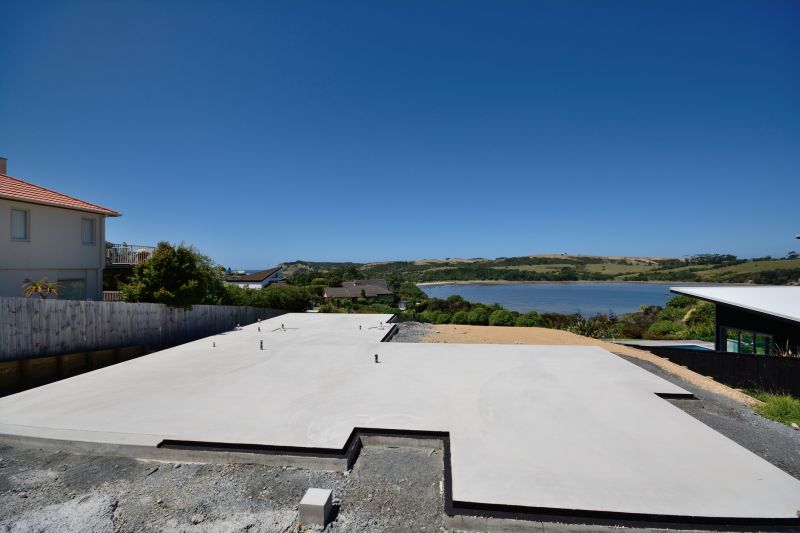
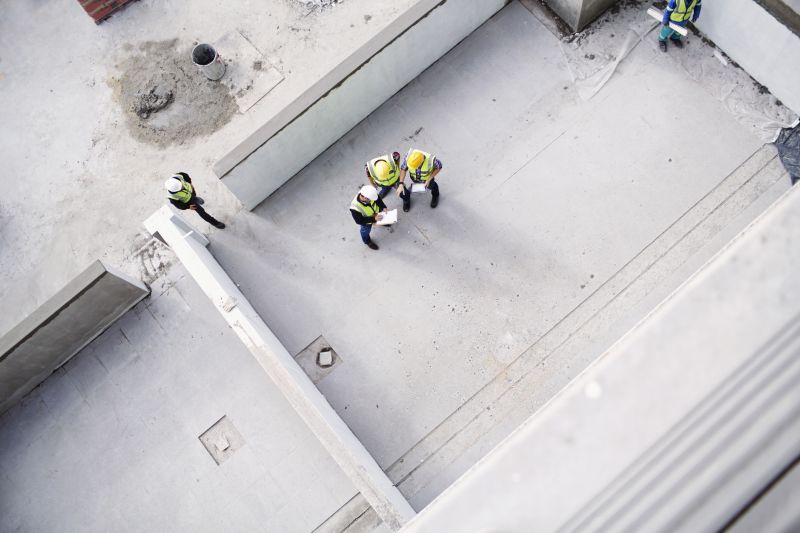
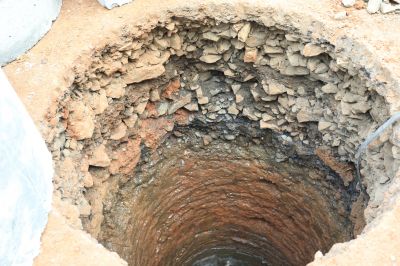
Deep foundation installation services involve the process of securely anchoring a building or structure into the ground to ensure stability and safety. This typically includes methods such as driven piles, drilled shafts, or other deep support systems that reach below the surface to stable soil or bedrock. These techniques are essential when the surface soil is too weak to support the weight of a structure or when construction occurs on challenging sites with poor soil conditions. By installing deep foundations, property owners can create a solid base that minimizes the risk of settling, shifting, or structural failure over time.
These services address common problems related to ground instability, such as uneven settling, foundation cracks, or shifting due to expansive soils or high water tables. Without proper support, buildings may experience damage that leads to costly repairs or safety concerns. Deep foundation installation helps prevent these issues by transferring the load of the structure to deeper, more stable soil layers. This ensures that the building remains level and secure, even in areas with problematic soil conditions or challenging terrain.
Properties that typically benefit from deep foundation installation include residential homes on expansive or unstable soils, commercial buildings, and large-scale developments. Homes built on hilly or poorly compacted land often require deep supports to prevent future problems. Similarly, commercial properties, warehouses, or multi-story buildings in areas with challenging soil conditions may need these services to ensure long-term stability. Service providers can assess the site and recommend the most suitable foundation system based on soil type, building size, and local conditions.
Homeowners who notice signs of foundation issues, such as cracks in walls, uneven floors, or doors that don’t close properly, might need to consider deep foundation solutions. When planning new construction in areas with known soil challenges, working with local contractors experienced in deep foundation installation can help create a durable, stable base for the property. Contacting experienced service providers can help determine the best approach to address ground conditions and ensure the safety and longevity of the structure.
The overview below groups typical Deep Foundation Installation projects into broad ranges so you can see how smaller, mid-sized, and larger jobs often compare in your area.
In many markets, a large share of routine jobs stays in the lower and middle ranges, while only a smaller percentage of projects moves into the highest bands when the work is more complex or site conditions are harder than average.
Smaller Repairs - Typical costs for minor deep foundation repairs, such as fixing a few piers or underpinning, generally fall between $250-$600. Many routine jobs land in this middle range, though prices can vary based on specific site conditions.
Standard Installation Projects - For standard deep foundation installations like new pier or pile setups, local contractors often charge between $1,500-$4,000. Larger, more complex projects can reach $5,000+ depending on the scope and site requirements.
Full Foundation Replacement - Complete foundation replacement or major underpinning work typically ranges from $10,000 to $30,000 or more. These projects are less common and tend to be on the higher end due to the extensive labor and materials involved.
Large-Scale or Complex Projects - Very large or complex deep foundation projects, such as those for commercial buildings, can exceed $50,000. Most local service providers handle smaller to mid-sized jobs within the lower to middle price bands.
Actual totals will depend on details like access to the work area, the scope of the project, and the materials selected, so use these as general starting points rather than exact figures.
Pile Driving Projects - local contractors skilled in pile driving use similar equipment and planning techniques as deep foundation installation to securely transfer loads to the ground.
Caisson and Pier Construction - these projects require precise excavation and reinforcement skills that align closely with deep foundation installation processes.
Retaining Wall Foundations - installing foundations for retaining walls involves soil assessment and deep support methods comparable to those used in deep foundation work.
Bridge Foundation Work - building bridge supports involves deep foundation techniques, including pile driving and soil stabilization, similar to those used in deep foundation installation services.
Underground Utility Foundations - laying foundations for underground utilities requires planning and excavation skills that overlap with deep foundation installation methods.
Seismic Base Isolator Foundations - constructing foundations for seismic protection involves specialized deep support techniques similar to standard deep foundation installation projects.
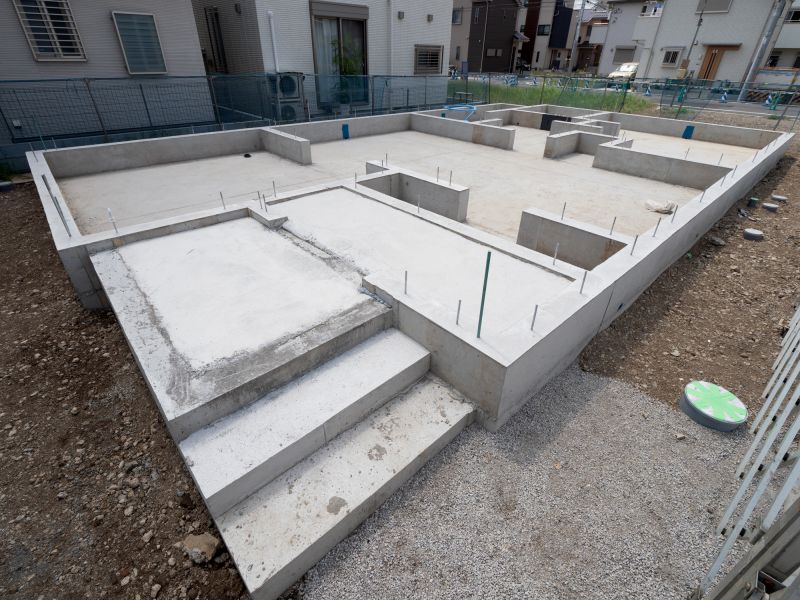
When comparing service providers for deep foundation installation, it is important to consider their experience with similar projects. Homeowners should look for local contractors who have a proven track record of handling projects comparable in size, scope, and complexity. An experienced professional will be familiar with the specific challenges that can arise during deep foundation work and will be better equipped to recommend suitable solutions based on prior work in the area. This familiarity can contribute to a smoother process and help ensure the foundation is installed properly and securely.
Clear, written expectations are essential when evaluating potential service providers. Homeowners should seek detailed proposals that outline the scope of work, materials to be used, and the responsibilities of each party. Having these expectations documented helps prevent misunderstandings and provides a basis for comparison between different local contractors. It also allows homeowners to assess whether the proposed approach aligns with their project goals and provides confidence that the service provider understands the specific requirements of their site.
Reputable references and good communication are key factors in selecting a dependable contractor. Homeowners are encouraged to ask for references from previous clients who had similar projects completed. Speaking with past customers can reveal insights into the contractor’s reliability, quality of work, and professionalism. Additionally, effective communication throughout the selection process indicates that the service provider is responsive and transparent, which can be vital during project planning and execution. While the website introduces homeowners to local options, it is the responsibility of the homeowner to verify these qualities directly with the service providers to ensure a successful project outcome.
Property owners use Deep Foundation Installation services for practical projects around their homes and businesses. This guide focuses on everyday jobs and straightforward project options.
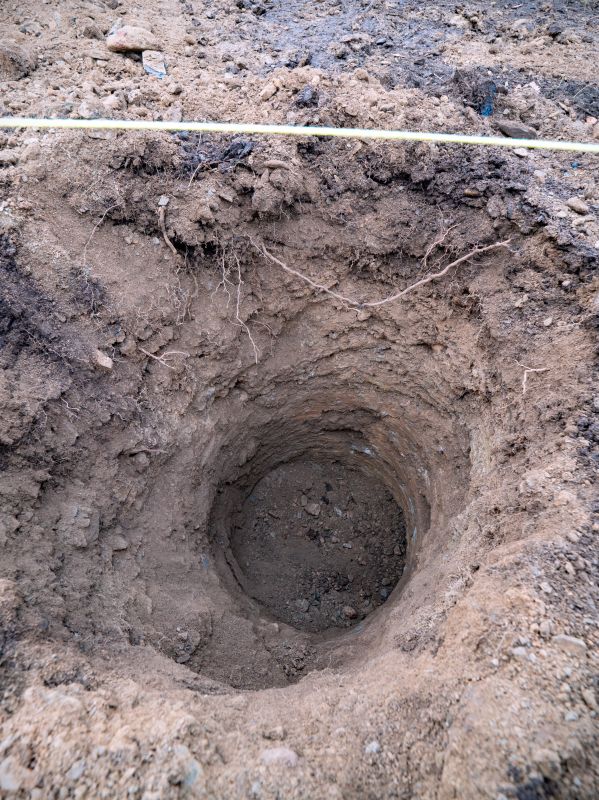
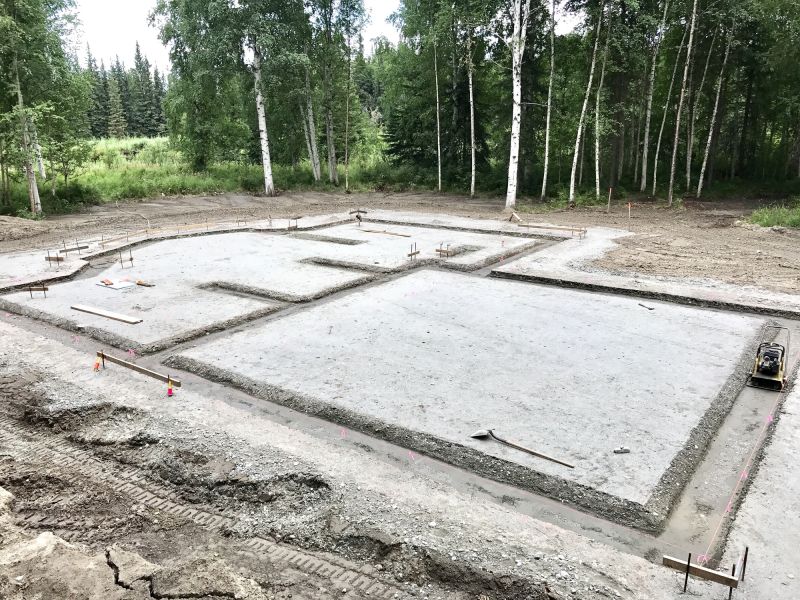
Deep foundation installation is a common solution for property owners undertaking new construction projects, additions, or renovations that require stable support. In areas with challenging soil conditions or uneven terrain, local contractors can provide the expertise needed to install deep foundations such as piles or drilled shafts, ensuring the stability and safety of the structure. Property owners might seek these services to prevent future settling issues, support heavy loads, or prepare a site for a new building or extension.
Additionally, property owners may look for deep foundation installation when dealing with existing structures experiencing shifting or settling problems. Local service providers can assess the site and recommend appropriate foundation solutions to reinforce or stabilize a building’s base. Whether for new developments or addressing concerns with current properties, connecting with experienced local contractors can help ensure the foundation work meets the specific needs of the project.
What are deep foundation installation services? Deep foundation installation involves placing structural supports like piles or drilled shafts to provide stability for buildings and infrastructure.
How do local contractors determine the right type of deep foundation? They assess soil conditions, load requirements, and project specifications to recommend suitable foundation solutions.
What methods are commonly used for deep foundation installation? Common methods include driven piles, drilled shafts, and auger cast piles, depending on the project's needs.
Why is professional installation important for deep foundations? Professional installation ensures proper support, safety, and compliance with building standards for long-term stability.
How can I find local service providers for deep foundation installation? You can contact local contractors who specialize in foundation services to compare options and get connected with experienced professionals.
Residential Foundation Support - Property owners can explore deep foundation installation to stabilize uneven or settling foundations before remodeling or adding extensions.
Basement Renovation Projects - Installing deep foundations can provide a solid base for finishing or expanding basement spaces for additional living or storage areas.
Adding New Structures - When constructing decks, garages, or other structures, deep foundation services ensure stability on challenging soil conditions.
Landscaping and Grading Improvements - Deep foundations can support retaining walls or grading adjustments to prevent soil erosion and improve yard usability.
If you are thinking about Deep Foundation Installation for a property, this guide is meant to help you understand the work, the typical project types, and how different options might fit your plans.
When you are ready, you can use the quote form on this page to share a few details about your project. From there, local pros can review the basics and respond with options that match what you have in mind.